(This piece describes a subculture and its beliefs, not drug use as practice. It contains no dosing or how-to information.)
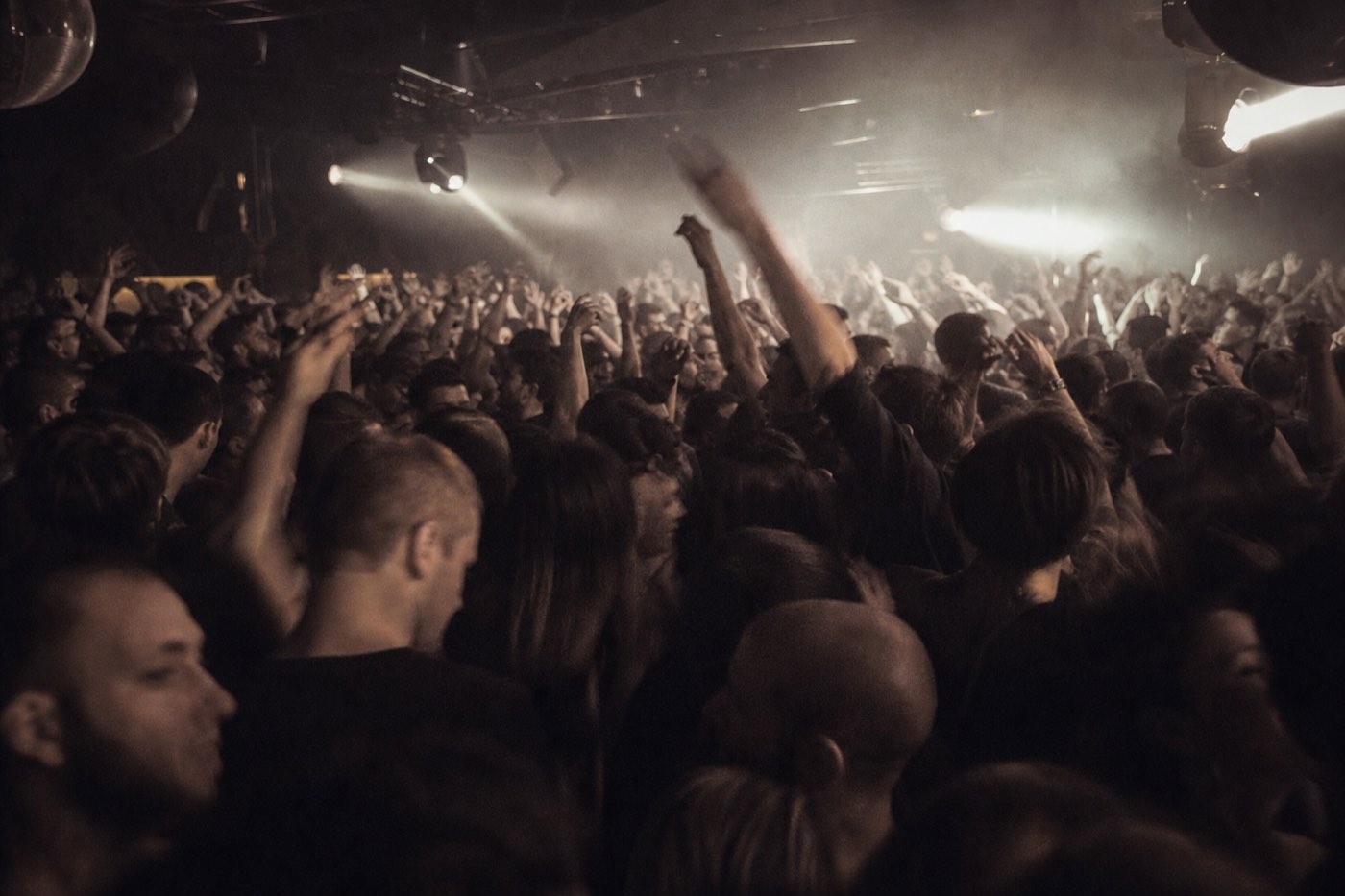
The order — it does not advertise a name, so the scene calls it the One Body — gathers in the long, dark, sleepless rooms of the techno underground, and it believes something the machine cults only theorize: that merger is achievable, tonight, on the floor. Its doctrine holds that enough people, moving to enough bass, in the shared chemical openness the group organizes around, can stop being a crowd and become a single organism — one nervous system, one feeling, one body that thinks.
The members describe the moment they are chasing with striking consistency: a dissolution of the boundary between self and room, a sense of the crowd breathing as one animal, an ego that goes quiet and does not come back for hours. The order treats this not as a good night out but as a sacrament — a rehearsal, they say, for a way of being human that the isolated modern self has forgotten. Their teacher-figures are the DJs, who are understood less as entertainers than as officiants steering a congregation toward union.
The desk covers the One Body under ascension because that is what its members believe they are doing, and because the physiology is not entirely on their side: the merger is real while the night lasts and gone by morning, and the chemistry that opens the door has, over time, a cost the doctrine does not dwell on. But the hunger underneath is the same one running through half our files — the modern conviction that we were meant to be joined and got severed somewhere, and the willingness to try almost anything to feel, for a few hours, like one body again.