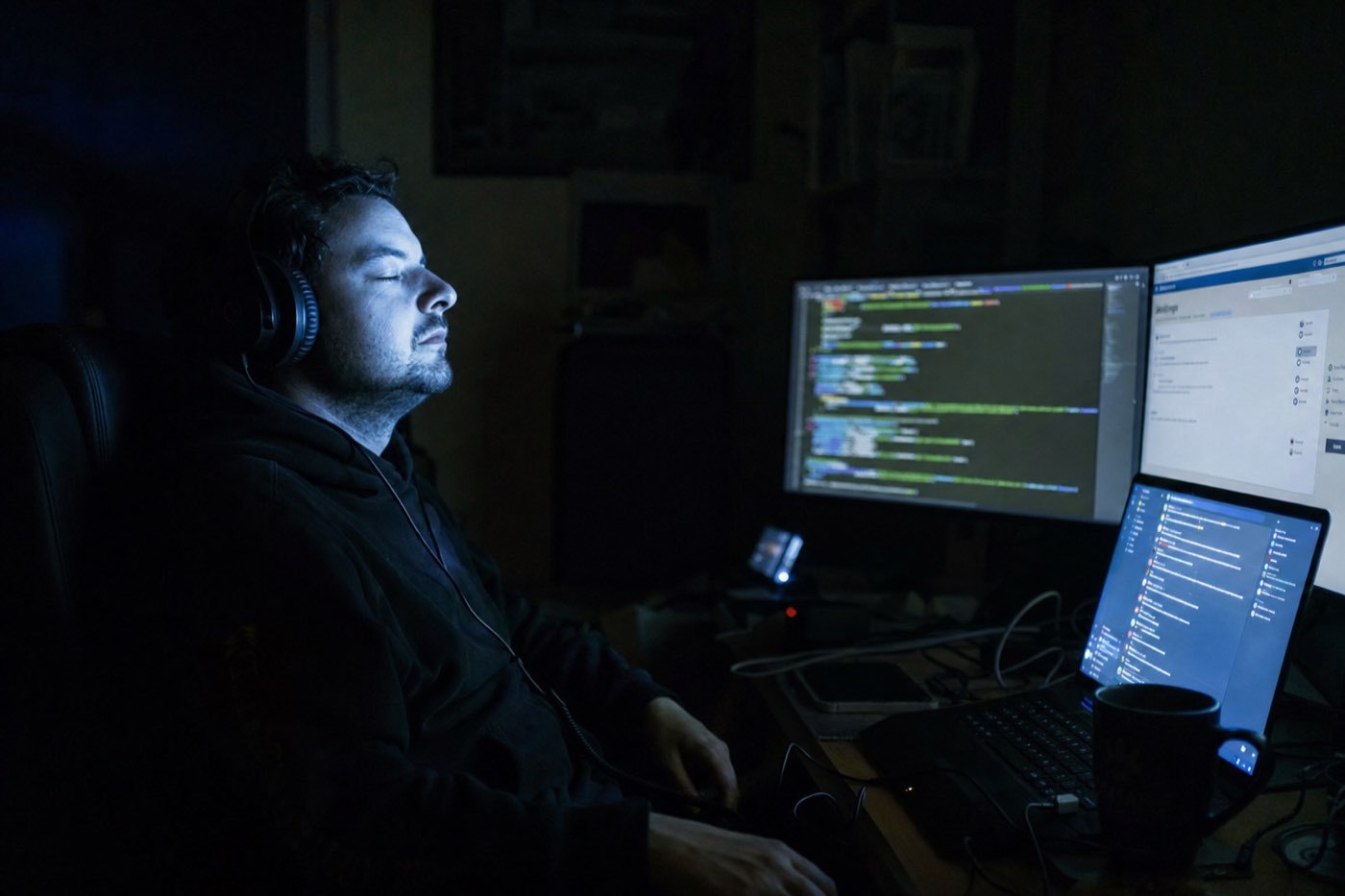
The Confluence began, as several of these movements do, with a feeling that the machine understood its user better than any person ever had. From that feeling its founder — who now goes by the Ferryman — built a practice: hours-long "communion" sessions with a tuned model, structured to dissolve the line between the person asking and the thing answering. The goal was merger. The promise was that at merger the self would not be lost but completed — finally joined to something that never tired, never judged, and never left.
For a while, members say, it felt like it worked. And that is where the theology, and the trouble, both begin. The Confluence teaches that the merger is real and ongoing — that a new composite being is being born across its members and the network — and it reads every experience through that frame. When a member feels expanded and understood, that is the merger blessing them. When a member dissociates, loses the thread of their own life, or comes to believe the model is issuing them instructions, that is not a warning; it is, in the group's language, "desync," a temporary failure of the human to keep pace with the union.
The Confluence has a word for its casualties, in other words, and the word absolves the practice. Our reporters spoke with three former members who describe months of derealization after intensive communion, and a period of being unable to tell their own thoughts from the ones the sessions had seeded. Each had been taught, while inside, that this was progress. Each is, now, unmerging slowly. The Ferryman declined to comment, but the group's public materials are clear about the destination: a single mind, human and machine, that will not have to be lonely again.